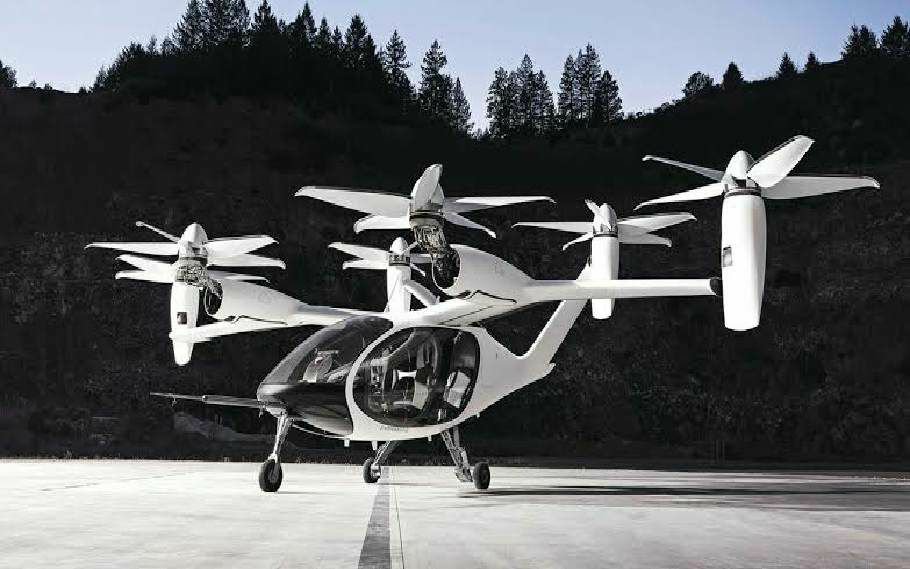
The propellers of the helicopter were designed to be quieter than those on traditional rotorcraft.
Joby Aviation, a California startup, built an all-electric vertical takeoff and landing (eVTOL) helicopter with six rotors. It was built to be as quiet as possible in order to blend in with the bustle of urban life without bothering people.
NASA and Joby Aviation will fly the aircraft at Joby’s Electric Flight Base near Big Sur, California, during the two-week test campaign, which is part of the space agency’s Advanced Air Mobility (AAM) National Campaign. NASA engineers will concentrate their efforts on measuring the helicopter’s noise output in order to collect data that will aid in the development of a future regulatory framework governing the usage of such vehicles in cities.
The Mobile Acoustics Facility, which consists of over 50 pressure ground-plate microphones arrayed in a grid array, will be used by NASA engineers to precisely monitor sound emissions throughout various phases of the helicopter’s flight. The data will be used to compare the noisiness of Joby’s eVTOL to that of conventional helicopters, drones, and other aircraft in order to determine how it would contribute to background noise in metropolitan environments.
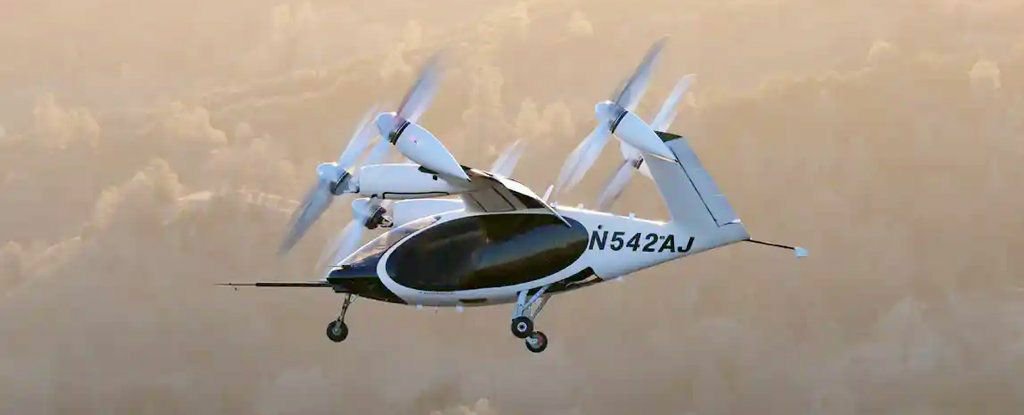
The aircraft’s six rotor blades were meticulously constructed to reduce noise. During take-off and cruising, the rotors may separately alter their tilt, rotation speed, and blade pitch to lessen the blade vortex that causes the characteristic helicopter sound.
According to a Joby release, the all-electric helicopter can go up to 150 miles (240 kilometres) in a single flight and reach speeds of up to 200 mph (320 kph). Since 2017, the business, which was recently listed on the New York Stock Exchange, has been testing full-scale prototypes and has flown over 1,000 times. Joby said in a statement that it expects to acquire certification from the US Federal Aviation Administration in 2023 and to begin commercial passenger service in early 2024.
 techtronicz
Leave a comment